1. Voice Control and Automation
Voice-activated assistants act as a central hub for an aging-in-place strategy. For individuals with limited mobility, arthritis, or vision impairments, interacting with physical switches or small digital screens can be frustrating. Voice control bypasses these physical barriers, allowing users to command their environment by speaking naturally.
Through a centralized voice assistant, a resident can adjust the thermostat, lock the front door, close motorized window blinds, or initiate a phone call. Creating "routines" adds another layer of security. A simple command like "Goodnight" can be programmed to lock all exterior doors, turn off the television, dim the interior lights, and turn on the pathway lights to the bathroom, all simultaneously.
2. Smart Security and Access Control
Traditional peepholes and heavy door locks present challenges for older adults. Smart doorbells equipped with cameras allow residents to see who is at the door from a tablet or smartphone without rushing to the entrance. Two-way audio allows them to communicate with delivery personnel or visitors safely from within the home.
Smart locks replace the need for physical keys, which require fine motor skills to turn. Doors can be programmed to lock automatically after a set period, and access codes can be provided to caregivers, family members, or emergency responders, eliminating the need to leave a physical key hidden outside the property.
3. Environmental Monitoring
Safety extends beyond preventing intruders; it involves monitoring the home's internal environment. Smart smoke and carbon monoxide detectors send alerts not just audibly, but directly to smartphones—notifying both the resident and designated family members if an alarm is triggered. This remote notification is crucial if the resident is hard of hearing.
Water leak detectors placed under sinks, near the water heater, and behind the washing machine can prevent catastrophic flooding and slip hazards by alerting the homeowner to minor leaks before they spread. Some advanced systems can automatically shut off the main water valve if a leak is detected.
4. Automated Lighting and Climate Control
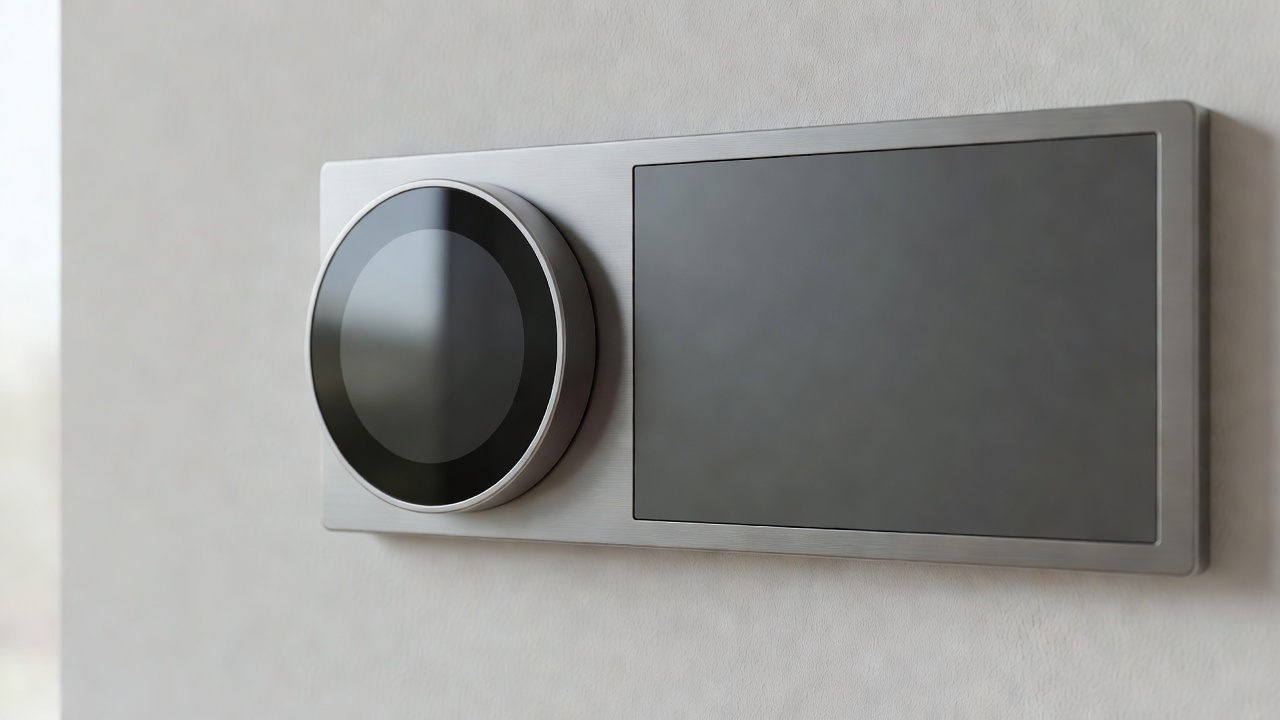
As discussed in lighting strategies, automated illumination prevents falls. Smart lighting systems linked to motion sensors ensure that a room is always appropriately lit when occupied. Smart thermostats learn the resident's schedule and preferences, maintaining a comfortable temperature without the need for manual adjustment. They can also be checked and adjusted remotely by family members to ensure the home is safe during extreme weather events.
Conclusion
The integration of smart home technology provides an invisible safety net. It respects the individual's autonomy, shifting the focus from overt surveillance or institutional safety devices to seamless, modern convenience. By automating daily routines and providing intuitive control over the environment, smart tech empowers older adults to live securely and comfortably in their own homes.