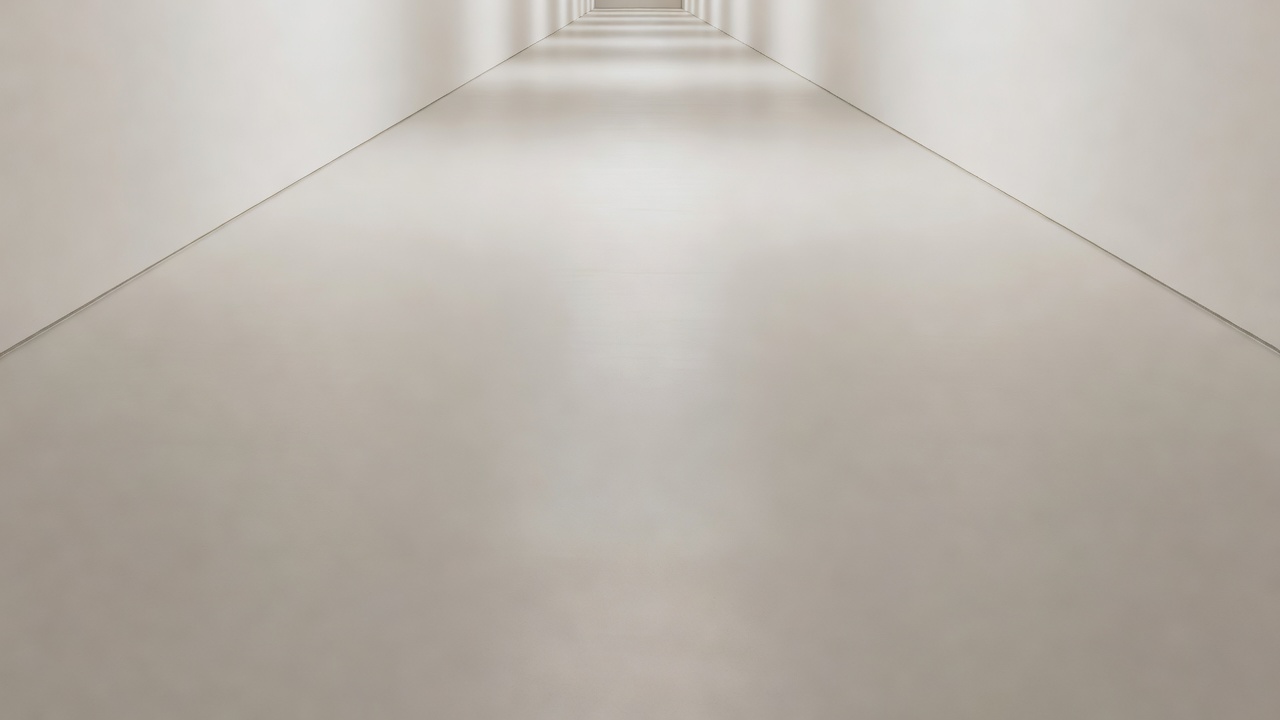
1. Transitionless Flooring
The standard practice in many homes is to use different flooring materials in different rooms—carpet in the bedroom, tile in the bathroom, hardwood in the hall. Often, these material changes come with raised transition strips or saddles at the doorways. For someone shuffling their feet, using a walker, or operating a wheelchair, these small ridges represent significant tripping hazards and barriers to movement.
The goal in an aging-in-place home is transitionless flooring. This means maintaining a single, flush floor level throughout the entire living space. If materials must change, they should meet flush without raised T-moldings. Removing thick carpets and standardizing the floor height not only makes the home vastly safer but also creates a more modern, cohesive, and spacious aesthetic.
2. Choosing the Right Flooring Material
Not all hard surfaces are created equal. High-gloss polished tile or aggressively smooth laminate can be incredibly slippery in bare feet or socks. When selecting a flooring material, prioritize slip resistance and shock absorption.
Luxury Vinyl Plank (LVP): LVP has become a favorite in universal design. It offers the visual warmth of real wood but features a textured, slip-resistant surface. It is also slightly softer underfoot than ceramic tile or solid hardwood, offering minor impact absorption, and is highly water-resistant, making it suitable for carrying seamlessly into kitchens and bathrooms.
Cork and Rubber: For areas where standing is frequent, such as the kitchen, cork flooring provides excellent ergonomic support and acoustic dampening. Rubber flooring, while sometimes less traditional in residential spaces, is exceptionally safe for home gyms or utility rooms.
Rugs: Throw rugs and loose runners are the enemy of aging in place. They slip, their corners curl, and they are notorious for catching the edges of shoes or walkers. All loose area rugs should be removed, or firmly secured with high-grade double-sided carpet tape.
3. The Importance of Layered Lighting
As the eye ages, the pupil shrinks, and the lens yellows and thickens. This means older adults require significantly more light to see with the same clarity as younger individuals. Furthermore, aging eyes take much longer to adapt to abrupt changes in light levels (such as walking from a bright room into a dark hallway).
To combat this, a home should employ layered lighting: ambient, task, and accent. Ambient lighting provides general, even illumination across the room. Avoid single, glaring central ceiling fixtures; instead, use distributed recessed lighting with matte diffusers to reduce glare on glossy surfaces (like countertops or screens), which can cause visual confusion.
4. Automated and Navigation Lighting
Nighttime navigation presents the highest risk for falls. Installing low-level, motion-activated pathway lighting in hallways, bathrooms, and staircases is a simple yet vital upgrade. These lights should be positioned a few inches off the floor to cast a gentle wash of light across the walking surface without blinding the individual who has just woken up.
Smart lighting systems take this a step further. Utilizing smart bulbs and sensors allows lights to automatically turn on when someone enters a room, eliminating the need to search for a light switch in the dark. Furthermore, the color temperature of these bulbs can be programmed to be cool and bright during the day (to aid focus) and warm and dim in the evening (to promote healthy sleep cycles).
Conclusion
Addressing the foundational elements of flooring and lighting transforms a home from a space that must be navigated cautiously into an environment that actively supports confident movement. By choosing matte, flush flooring and implementing smart, layered lighting strategies, you drastically reduce the risk of accidents while enhancing the overall comfort and beauty of the home.